Sabrina Fonseca / UX
Indian Health Service
Mapping care across the Indian Health Service to inform system decisions
Period
2019
Agency
Coforma
Methods
Service blueprint workshops, executive co-design workshops, field interviews and site visits, observation and shadowing, listening sessions, focus groups
Client
U.S. Department of Health and Human Services (HHS) for the Indian Health Service (IHS)
Recognition
Fast Company Innovation Awards finalist, 2020
Role
Design Strategist, leading the service design work with a team of 3
Challenge
The Indian Health Service had to replace or modernize RPMS, the 40-year-old health IT system behind care for 2.6 million American Indian and Alaska Native patients. Either way, it needed to know what the next system had to do.
What I did
I led the service design work: interviews and focus groups with 148 people across all 12 IHS regions, 14 staff archetypes, 7 service blueprints built with IHS executives and frontline staff, and 240 use cases to help inform vendor choices.
Outcome
HHS's modernization roadmap called the approach "a cornerstone of the Modernization Project." The work led to three follow-on contracts for Coforma and was a Fast Company Innovation Awards finalist.
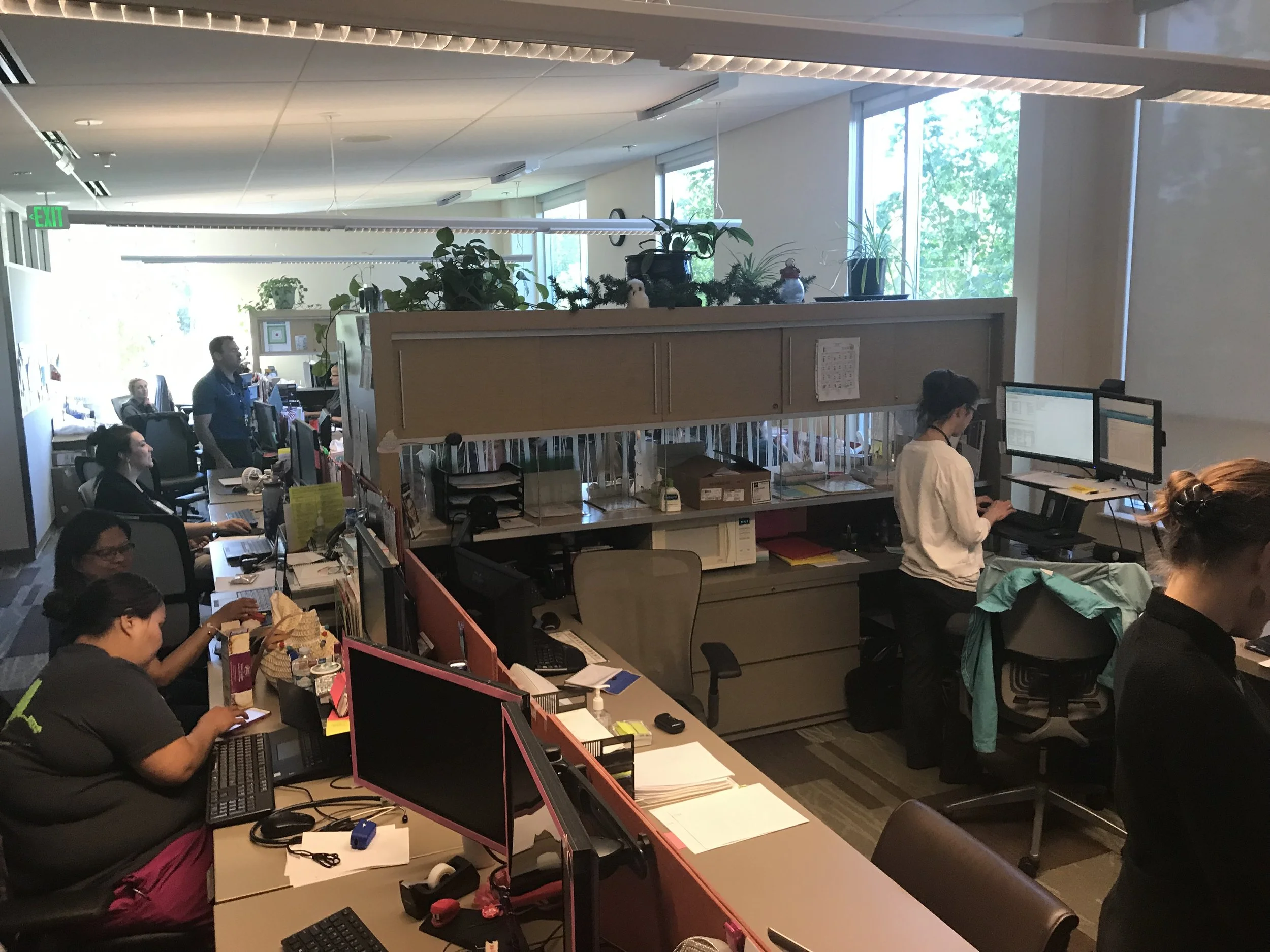
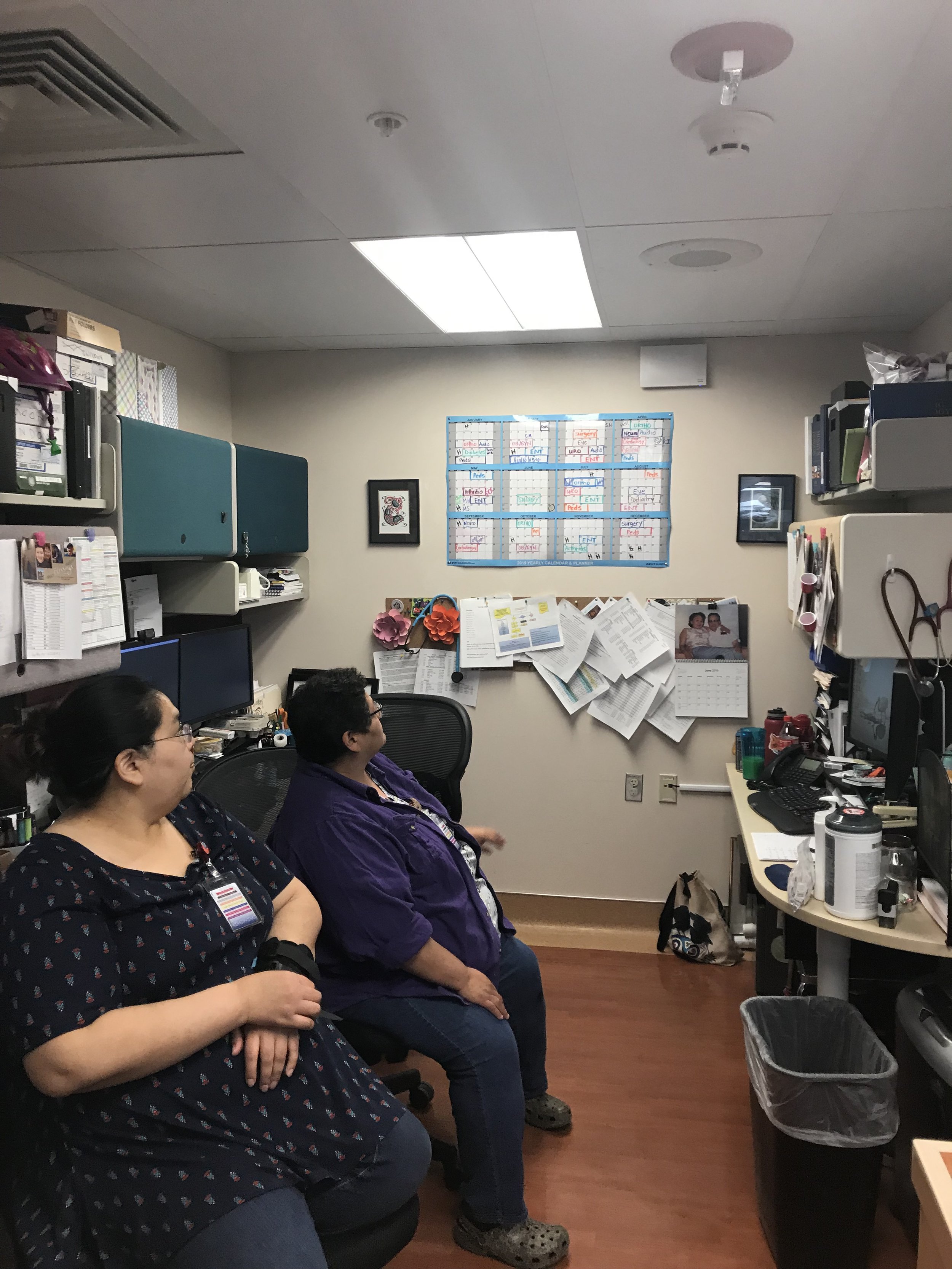
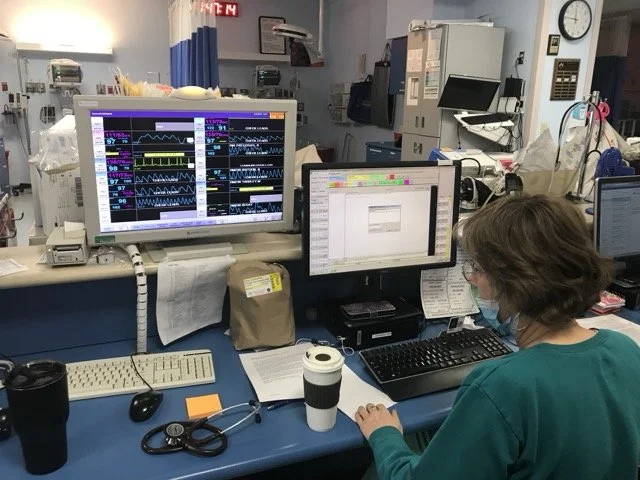
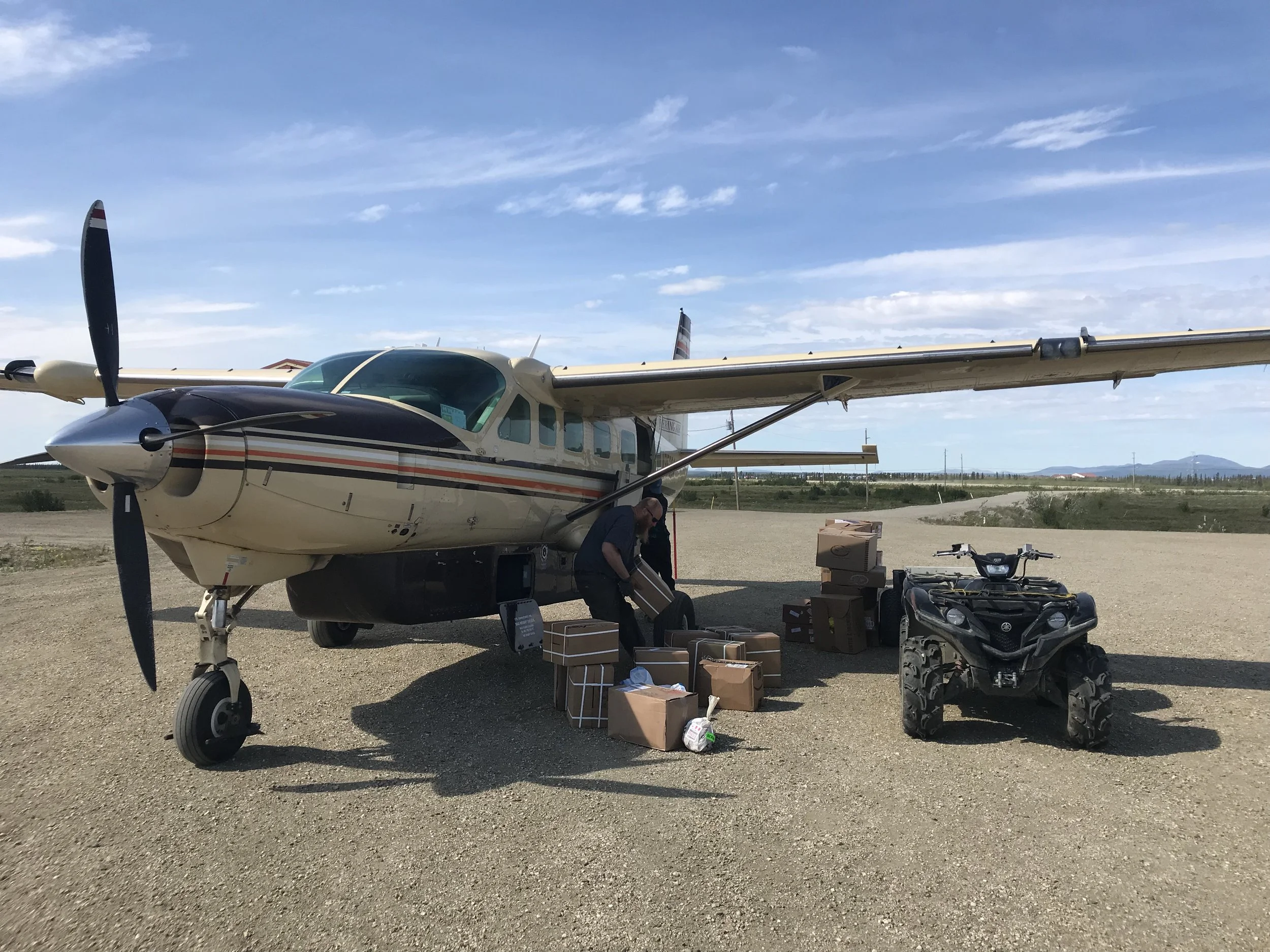
In 2018, the IHS faced an enormous decision. Veterans Affairs (VA) announced it would move to a commercial health records system. The VA had helped support RPMS, the 40-year-old system the IHS runs on, so IHS had to decide whether to replace RPMS or modernize it. That decision would shape care for 2.6 million American Indian and Alaska Native patients in more than 530 Federally recognized Tribes, across IHS-run, Tribal and Urban facilities whose workflows change from one site to the next. The Department of Health and Human Services (HHS) commissioned the work to provide a recommendation to the IHS on how to move forward.
The question the assessment left open
The work began with a legacy assessment, most of it technical. It could say whether RPMS could be modernized, but not what the next system had to do for the people using it. After writing the assessment's user research sections, I recommended that service blueprints guide those requirements, which became the next step for the work.
Following care across organizations
With introductions from the National Indian Health Board and Regenstrief, my team and I talked to 148 people from 37 facilities in all 12 IHS regions: 123 clinicians and admin staff, 8 Tribal leaders and 17 patients. While it was important to anchor the patient's voice, we had to be careful about interviewing them. Many of these communities have a long history with research and experimentation done without consent, and their distrust of outside researchers is well founded. Staff carried much of the patient perspective, as they were often both patients and workers in these small communities.
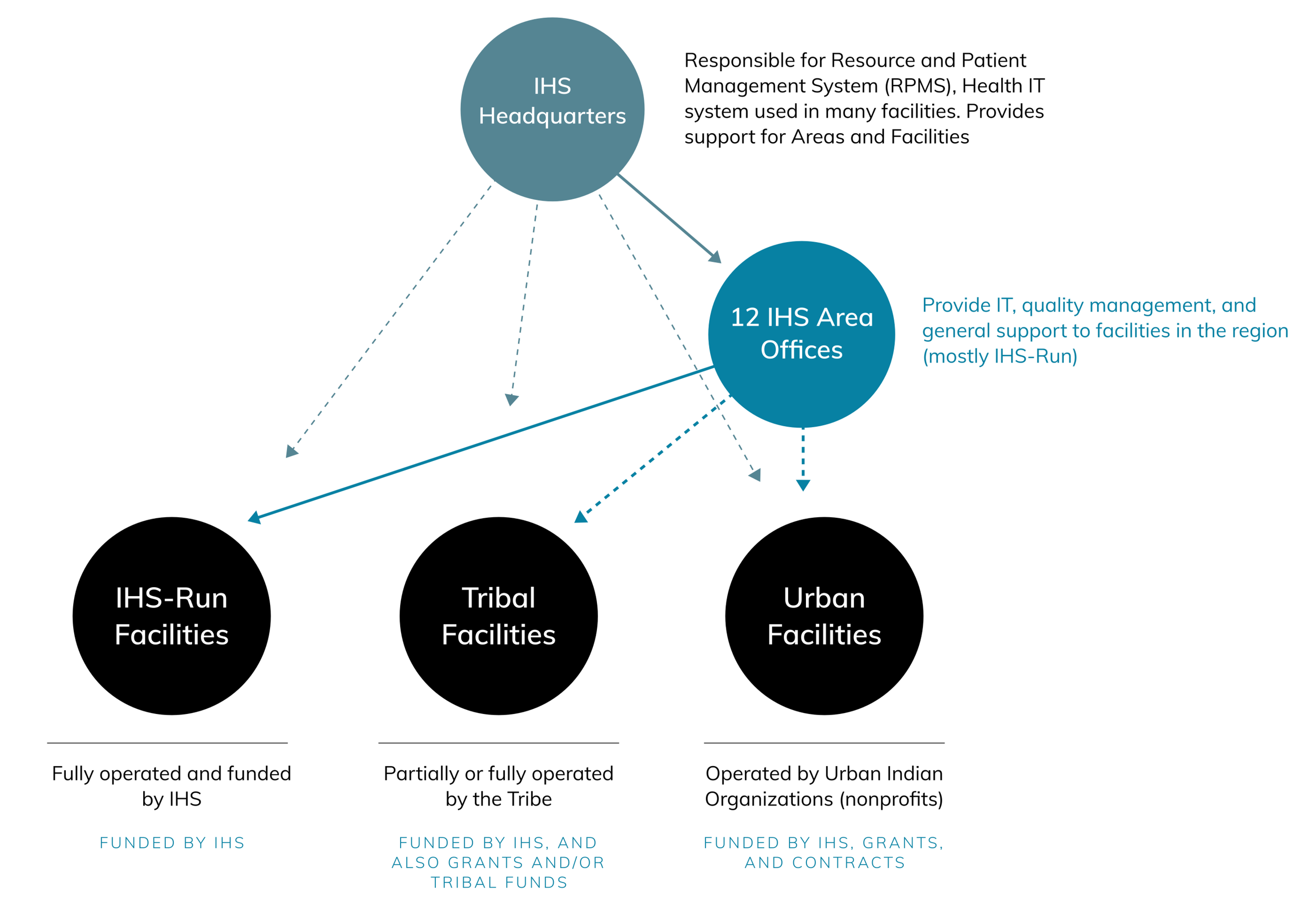
Most of what we heard was about care crossing from one organization to another. Specialty care is bought from outside through a process and budget called Purchased/Referred Care, with limited funds approved case by case, and the report notes that "it is not unusual for this process to take months." Many veterans can use both the VA and IHS, but the two systems don't share data. Eligibility depends on Tribal membership and descent, and each Tribal facility can set its own rules. Underneath all of it, most sites are rural, with slow connections and long downtimes.
A patient at the center of every map
We turned this into service blueprints, each following a composite patient through a health event and showing what every person around them does, from clinicians to billing. Each story also included a map illustrating how remote some patients can be from accessing the help and services they need. As a team we chose to tell the following patient stories, based on common situations affecting American Indian/Alaska Native patients:
High Risk Pregnancy
Guardianship of Grandchildren
Suicide Ideation
ATV Accident
Recovering from Opioid Addiction
Diabetes Comorbidities
Caring for a Loved One
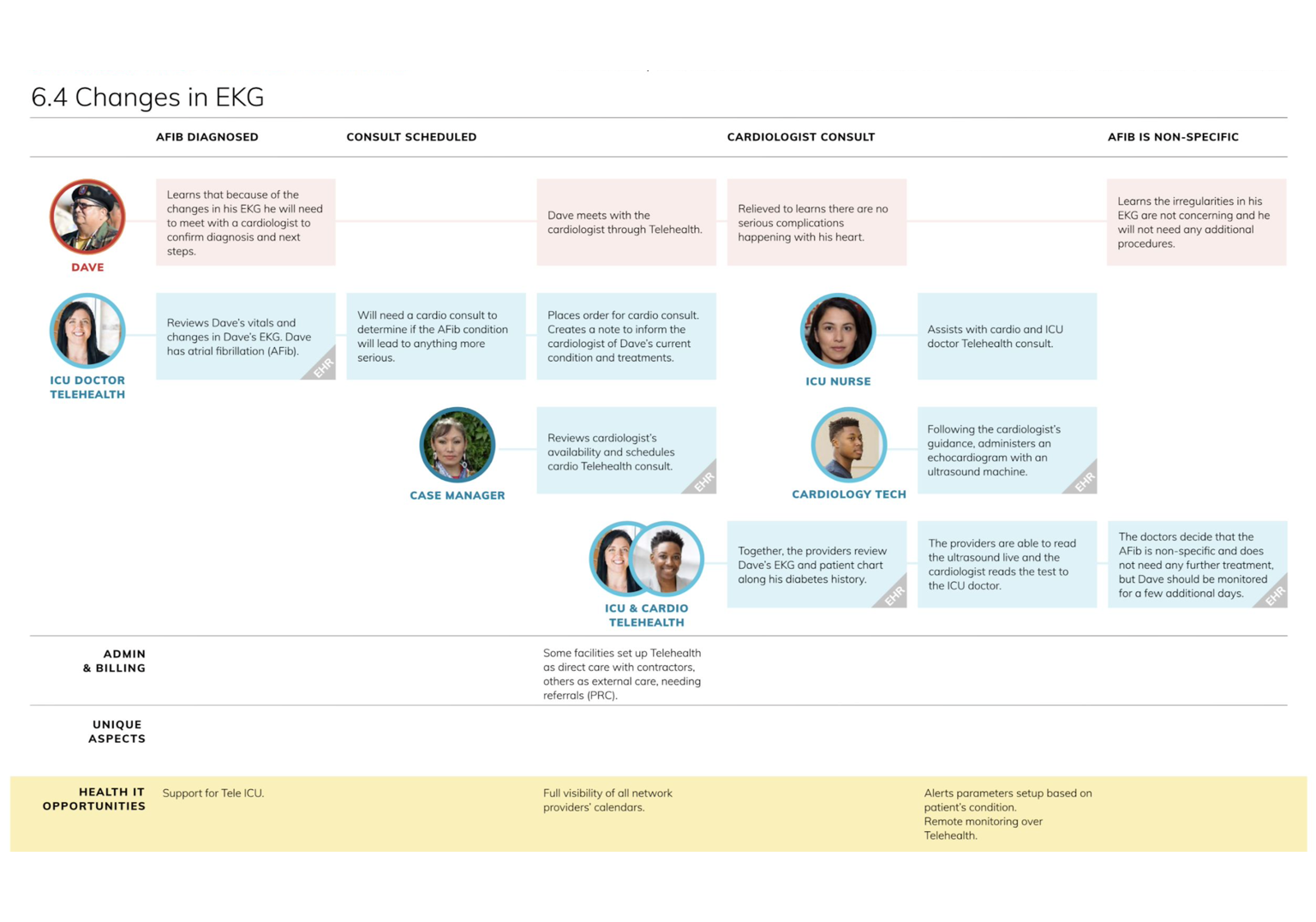
In the Diabetes Comorbidities journey, Dave is a veteran who got his care at a VA hospital in the city, then moved back to his reservation. His emergency room blueprint shows an easy chart transfer from the VA and a telehealth consult with a specialist who may not have been available onsite due to the remoteness of his location.
When executive working sessions turned into design
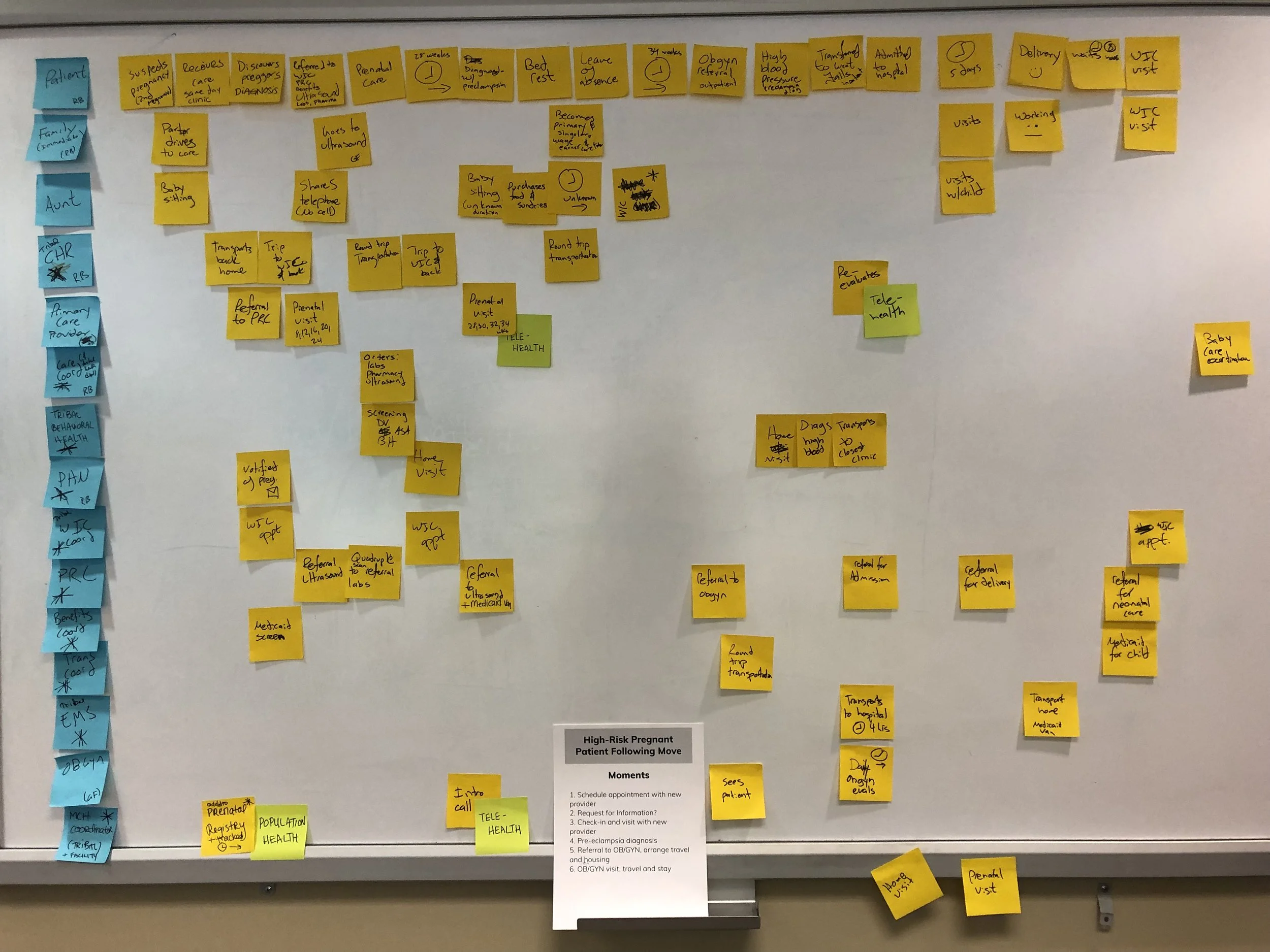
To validate our first 5 blueprints, I designed and facilitated sessions with IHS leadership and subject matter experts from IHS and NIHB, with the agency's chief medical officer in the room. Partway through, it was clear the drafts weren't looking far enough ahead, and some stories were missing. So we stopped asking the experts to approve our maps and facilitated sessions so they could create two more blueprints.
Results
7 blueprints and 14 staff archetypes, with 240 use cases so IHS could hold any vendor up against them.
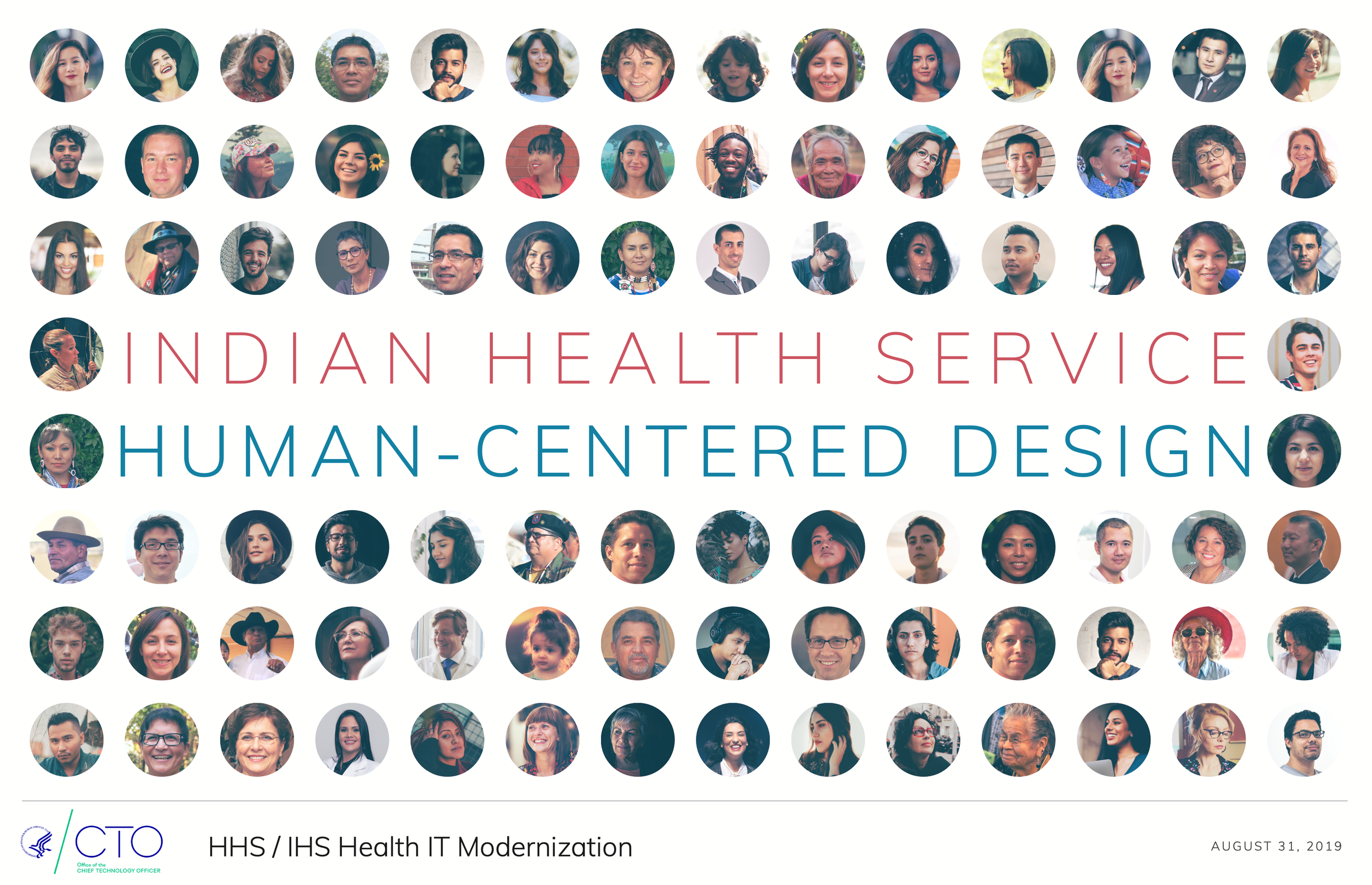
In October 2019, HHS's roadmap for IHS modernization called human-centered design "a cornerstone of the Modernization Project."
The work led to three follow-on contracts for Coforma. It was a Fast Company Innovation Awards finalist in 2020.
“The personas and service blueprints Coforma created allow decision makers to create a sense of empathy and urgency for addressing challenges that are faced across the country. Suddenly an IT project shifts focus and the patient becomes the center of the work.”
— Maia Laing, HHS Optimization Team, US Department of Health and Human Services, 2019
Download the Report (PDF)
1/ Call for Human-Centered Design
2/ Ecosystem
3/ Journey 1: High-Risk Pregnancy
4/ Journey 2: Guardianship of Grandchildren
5/ Journey 3: Suicide Ideation
6/ Journey 4: ATV Accident
7/ Journey 5: Recovering from Opioid Addiction
8/ Journey 6: Diabetes Comorbidities
9/ Journey 7: Caring for a Loved One
10/ Use Cases
11/ Bibliography