Sabrina Fonseca / UX
Indian Health Service
Research to identify
health IT needs of American Indian and
Alaska Native communities
Period
2019
Agency
Coforma
Role
Research Lead
Background
The US Department of Health and Human Services (HHS) and the Indian Health Service (IHS) were looking to modernize their 40+-year-old Health IT system and wanted to understand how it could better meet the needs of American Indian and Native Alaskan patients.
Our goals were to contextualize the unique functional needs of Health IT for the I/T/U environment, help the government and Congress understand the needs and challenges of AI/AN patients, and create a rubric by which to evaluate bidders on future improvements and modernization innovations.
Research Planning
Identifying the Health IT needs for a national healthcare system spanning across multiple states, covering multiple healthcare specialties and departments, is a daunting task. Leading a team of 3 researchers and designers, I collaborated with a large team of stakeholders, subject matter experts, and community liaisons to focus the research and findings on the unique characteristics of the IHS—remote locations, tribal sovereignty, and membership, poor health outcomes, multi-generational health records, among many other aspects.
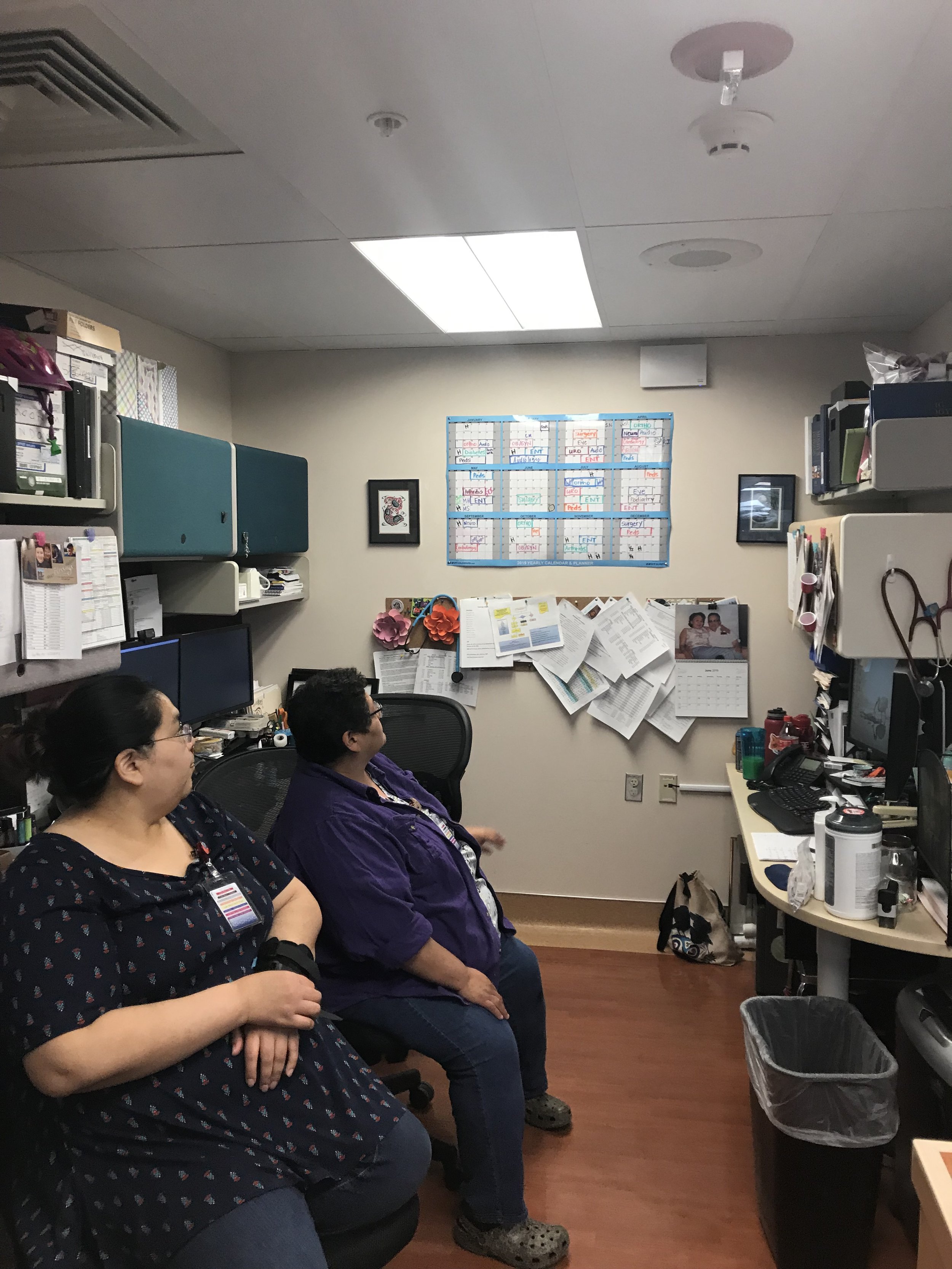
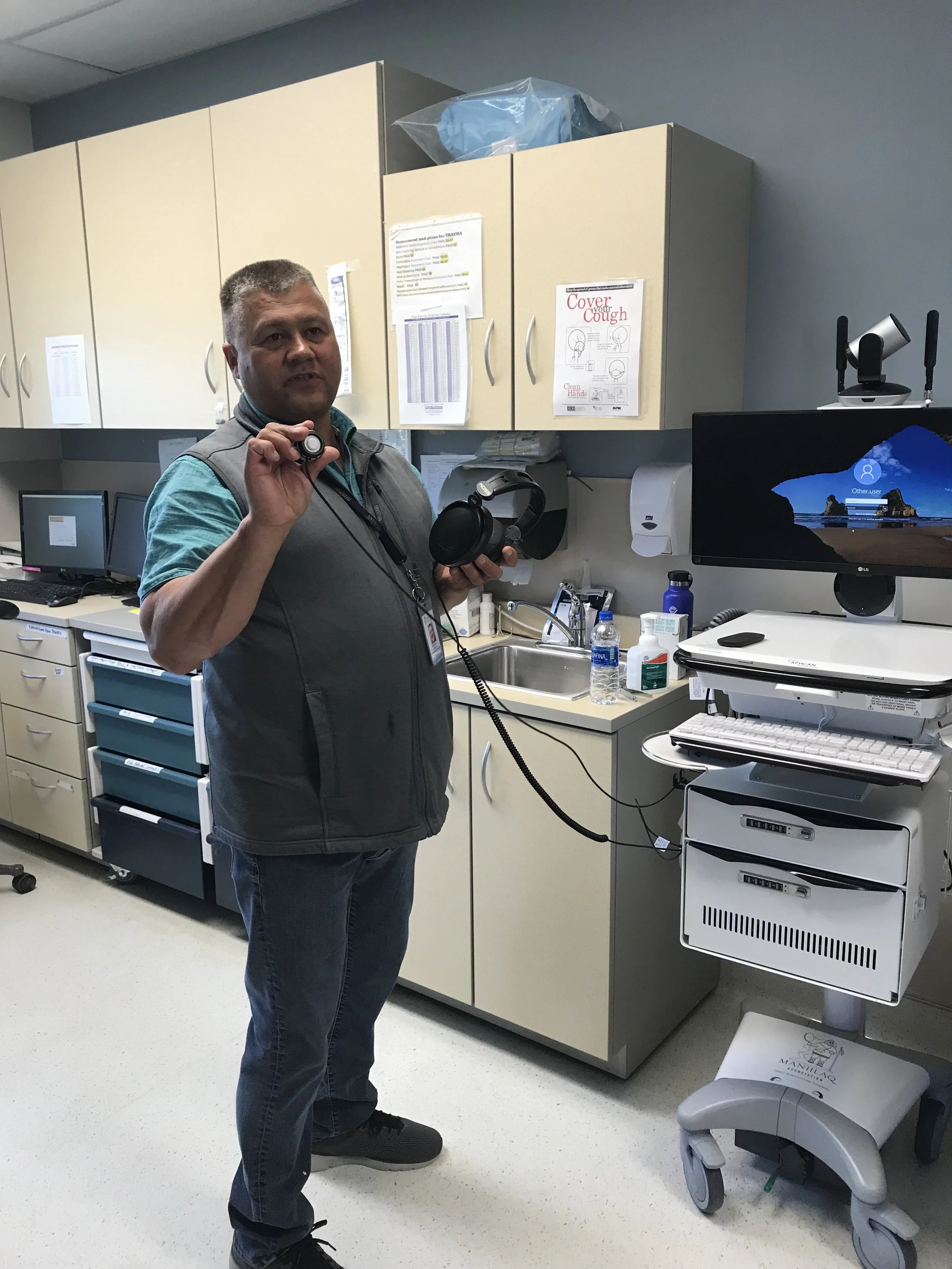
Field and Remote Research
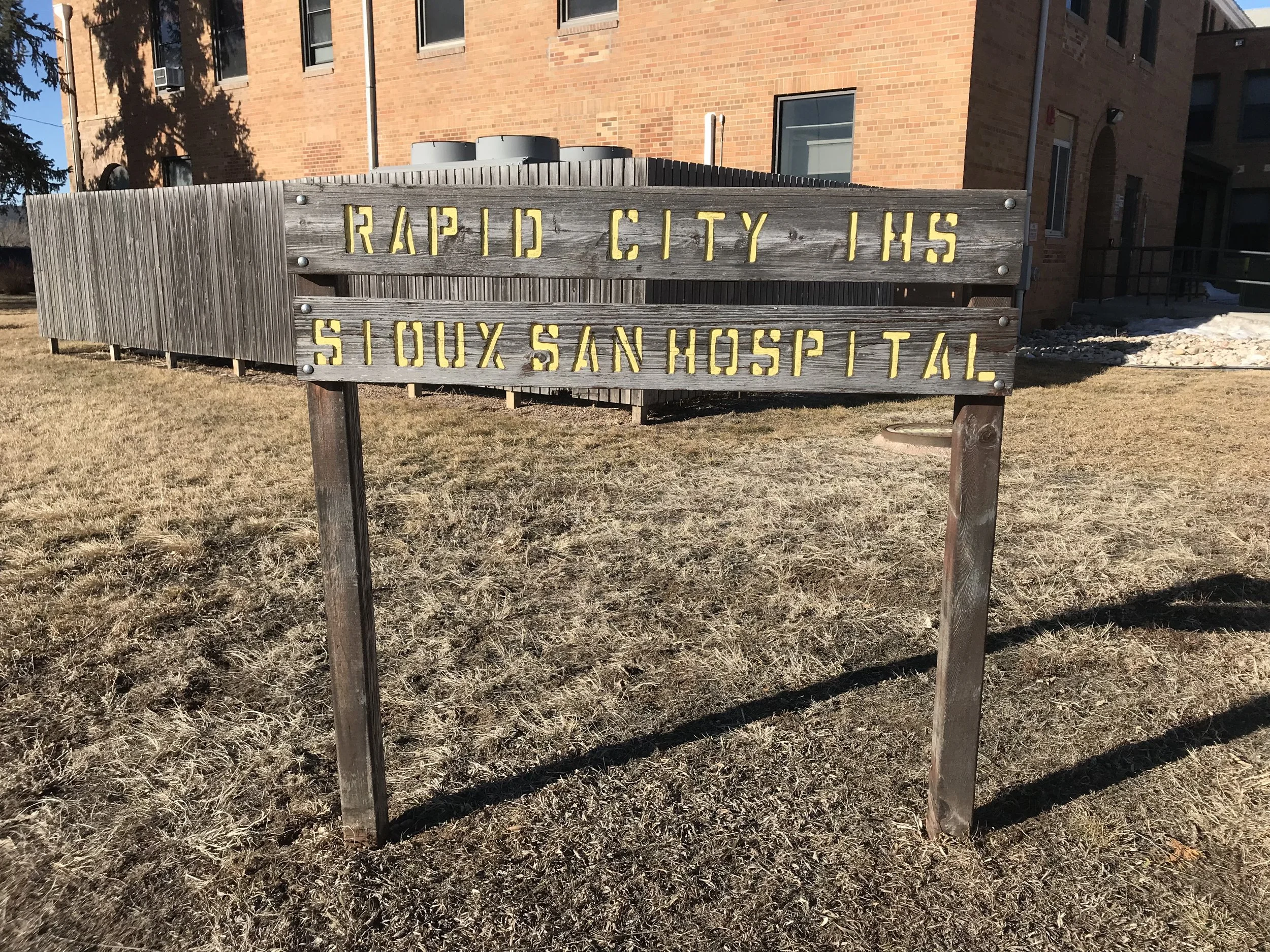
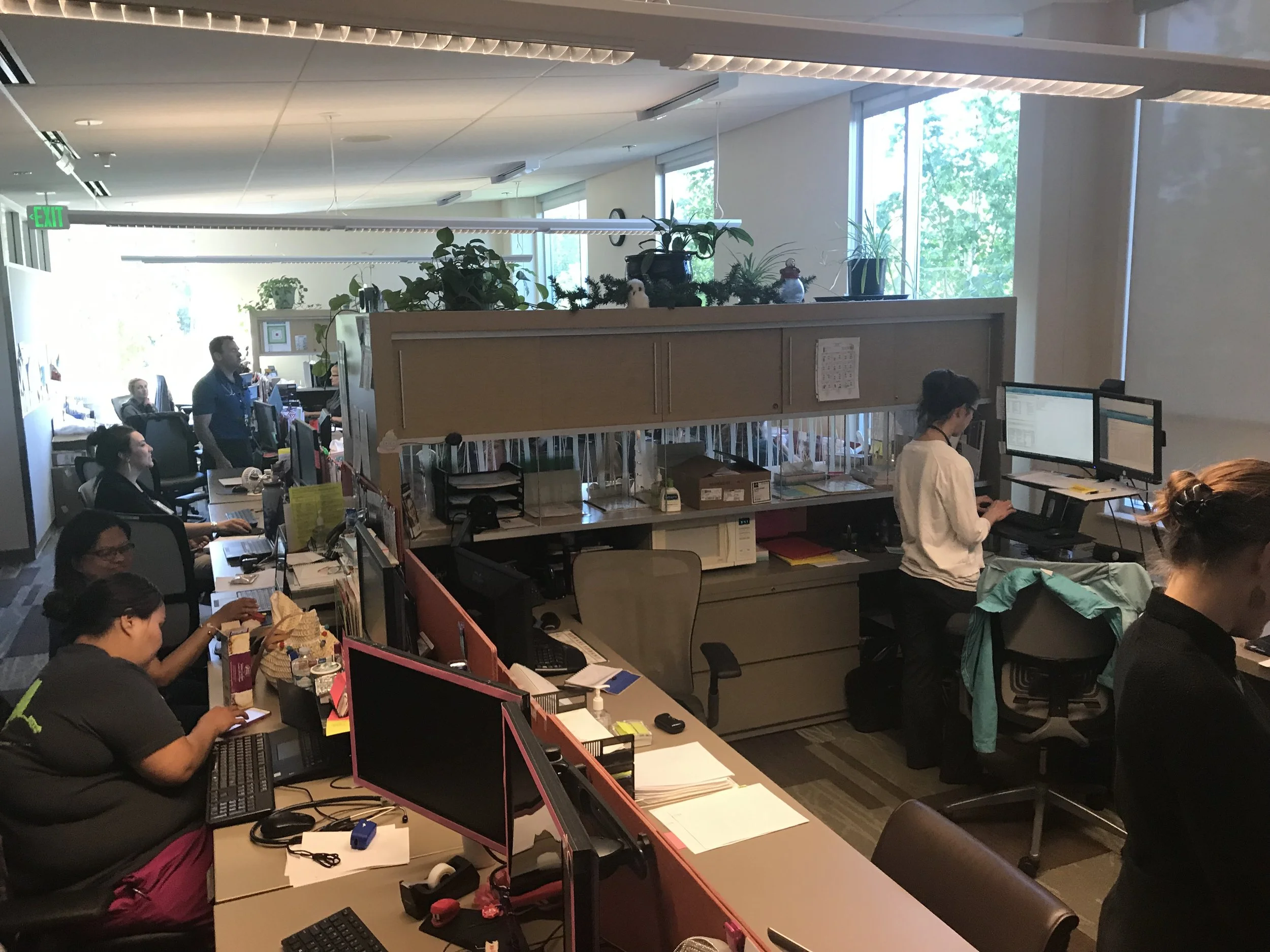
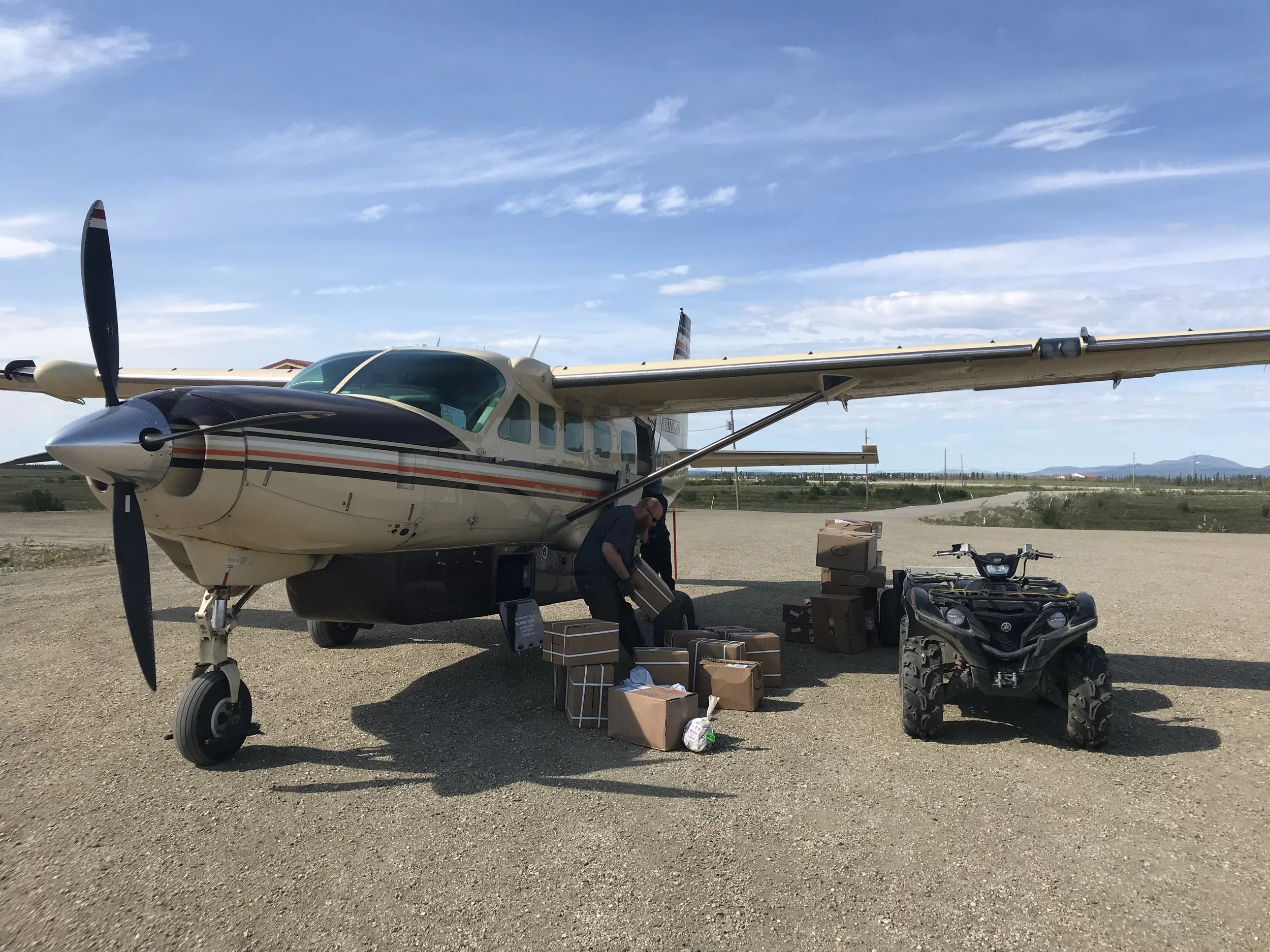
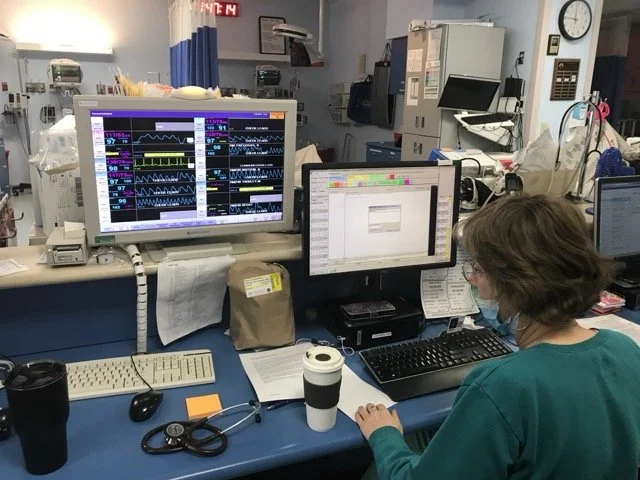
In collaboration with community liaisons from the IHS, the National Board of Indian Health (NIHB), and Coforma project partner Regenstrief, our team conducted interviews and workshops with almost 150 staff members and patients. This cohort included staff in 30 different high-level roles between providers, clinical support staff, and administration, in 40 healthcare facilities spread across the U.S. In-person research was conducted during site visits to reservation and urban health care facilities in California, Arizona, North Carolina, Montana, South Dakota, and Alaska.
Research activities focused on common workflows, how technology is and could be used, and how it might help mitigate pain points.
Synthesis and Findings
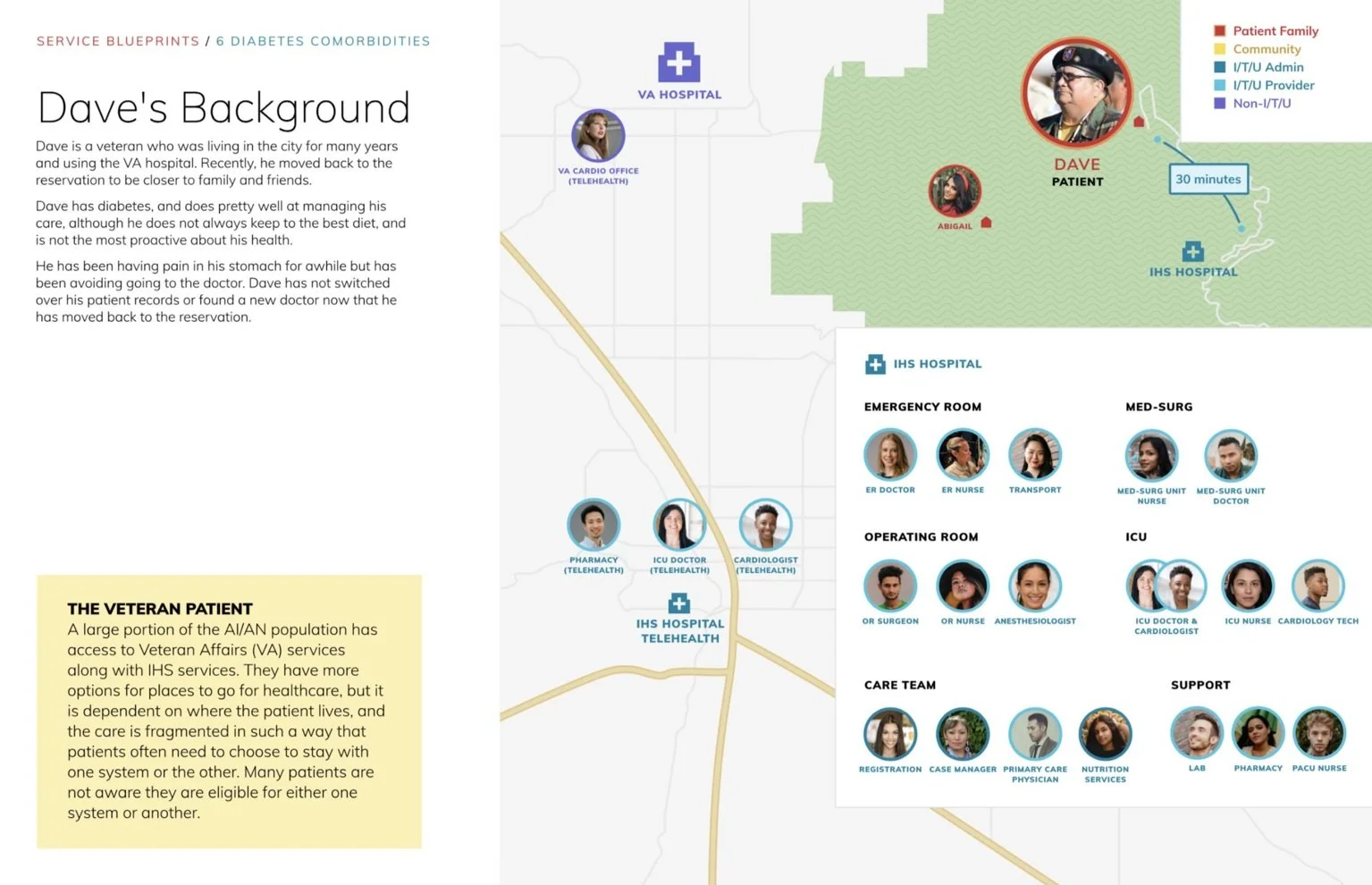
Research findings were synthesized in the form of 7 ideal-scenario service blueprints centered on common health outcomes of American Indian and Alaska Native communities, and covering many levels of service; 14 role-based archetypes for staff; and an ecosystem of IHS facilities.
I conducted a series of workshops to validate the content and ensure it was sensitive and accurate to the needs of patients, providers and other health workers in this unique system.
The work aimed to give context to the Health IT needs we heard during field research. We also delivered a list of 240 use cases extracted from these materials to help the IHS ensure Health IT solutions covered as many of these unique needs as possible.
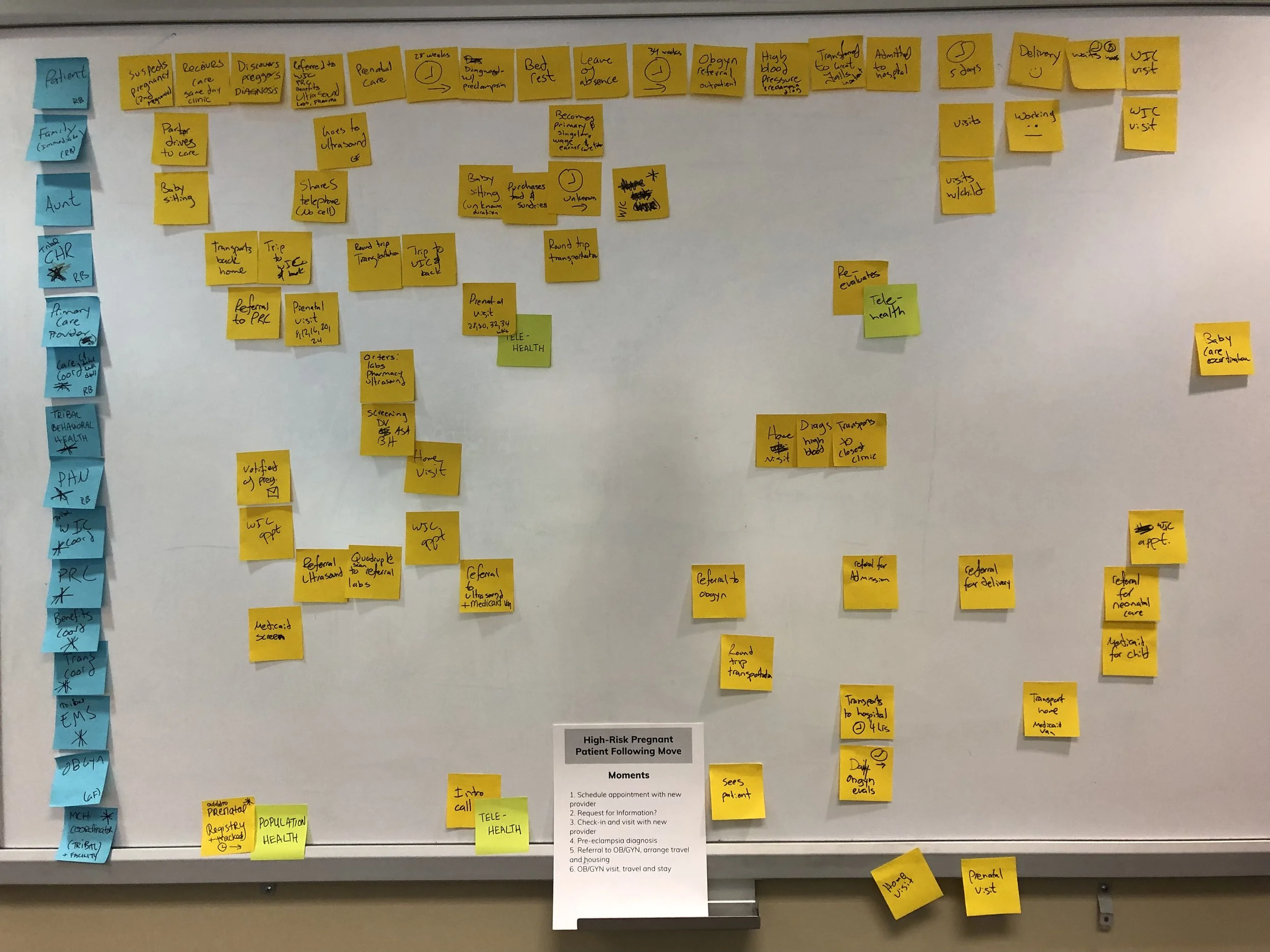
Context setting for Service Blueprint
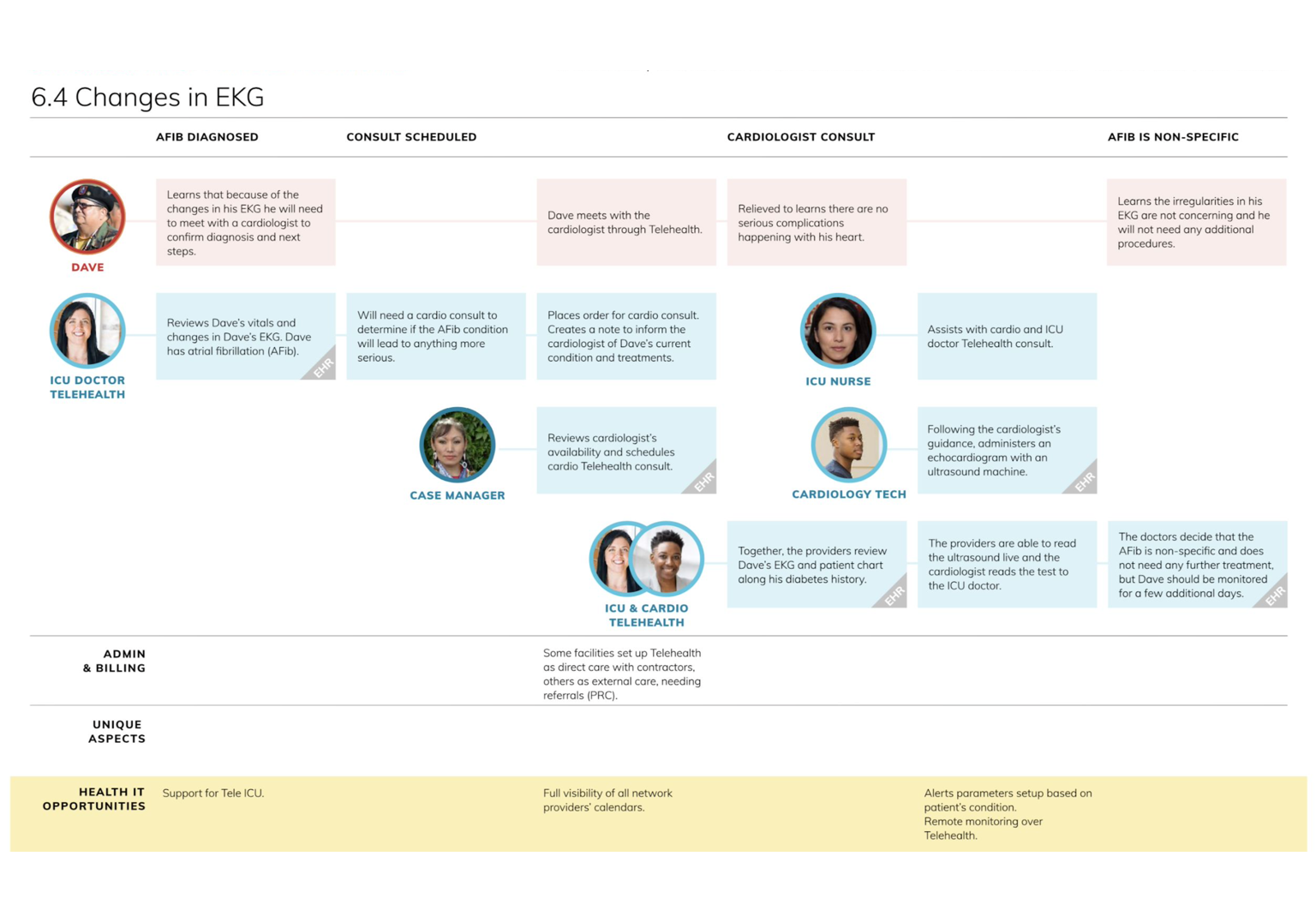
Snapshot of Service Blueprint moment
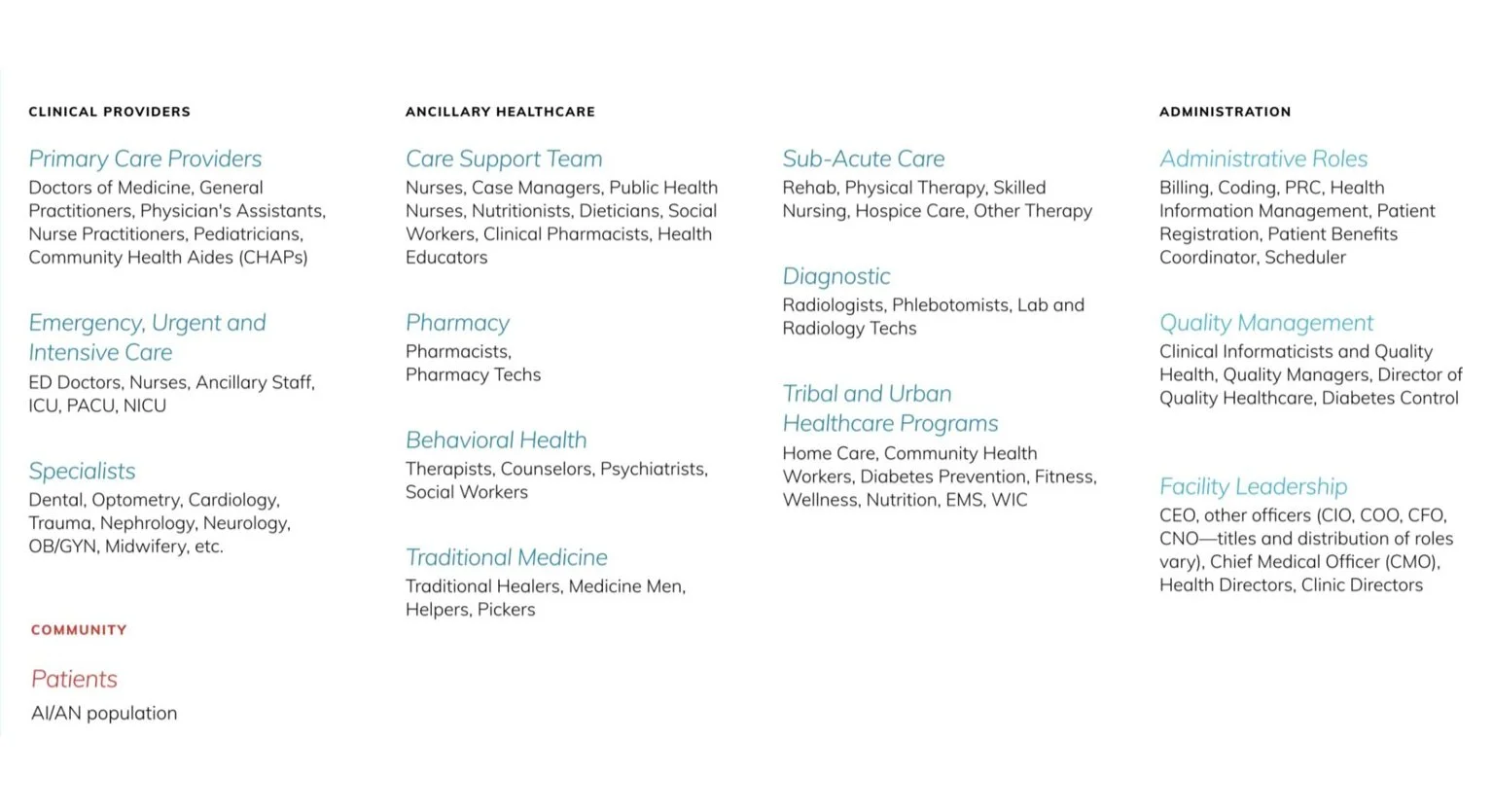
Set of archetypes (or personas) for IHS—because of IHS’s focus on primary care, the high-level purpose of this project, and common needs and pain points, some specialties and roles were bundled into a single archetype.
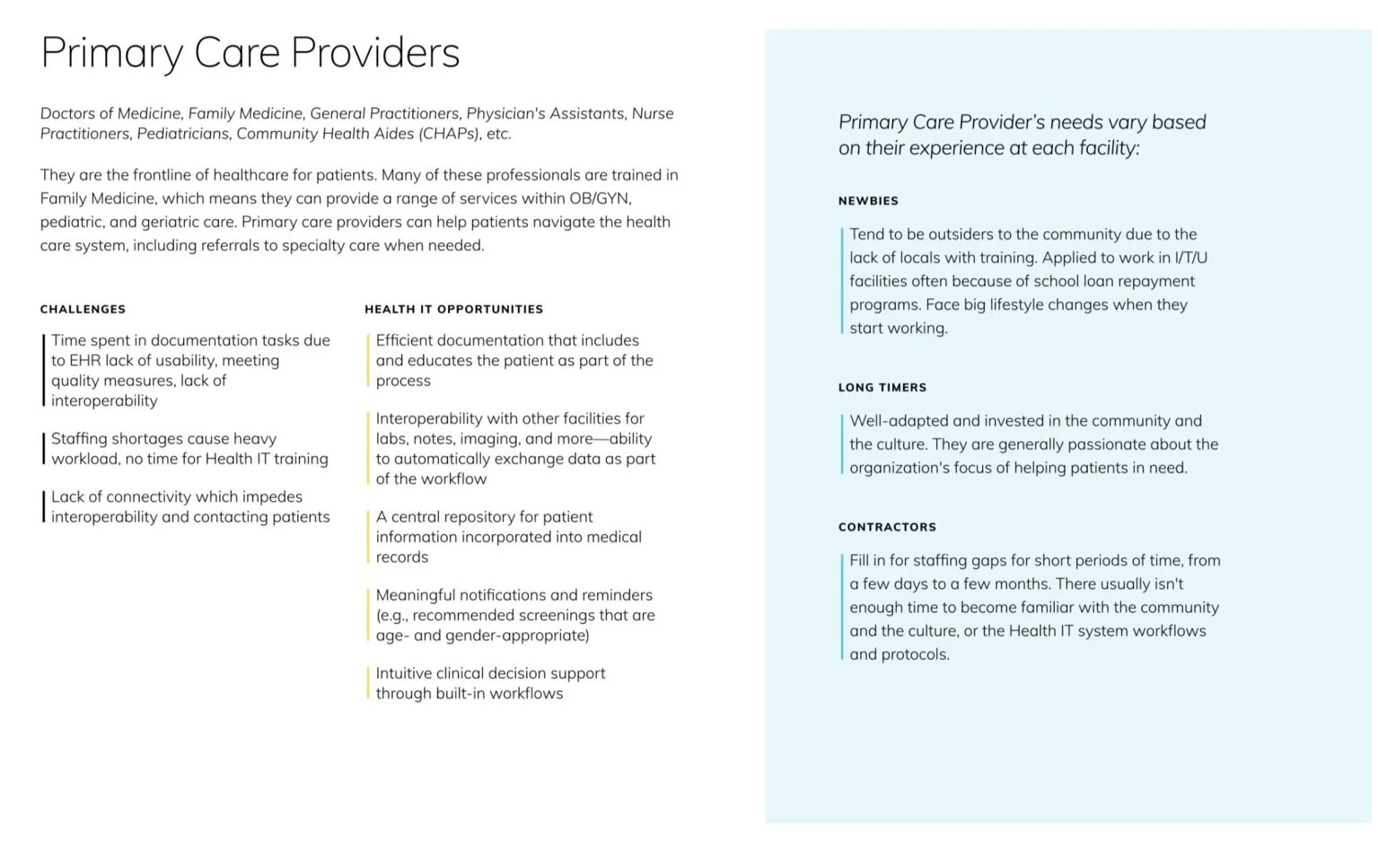
Primary Care Provider archetype
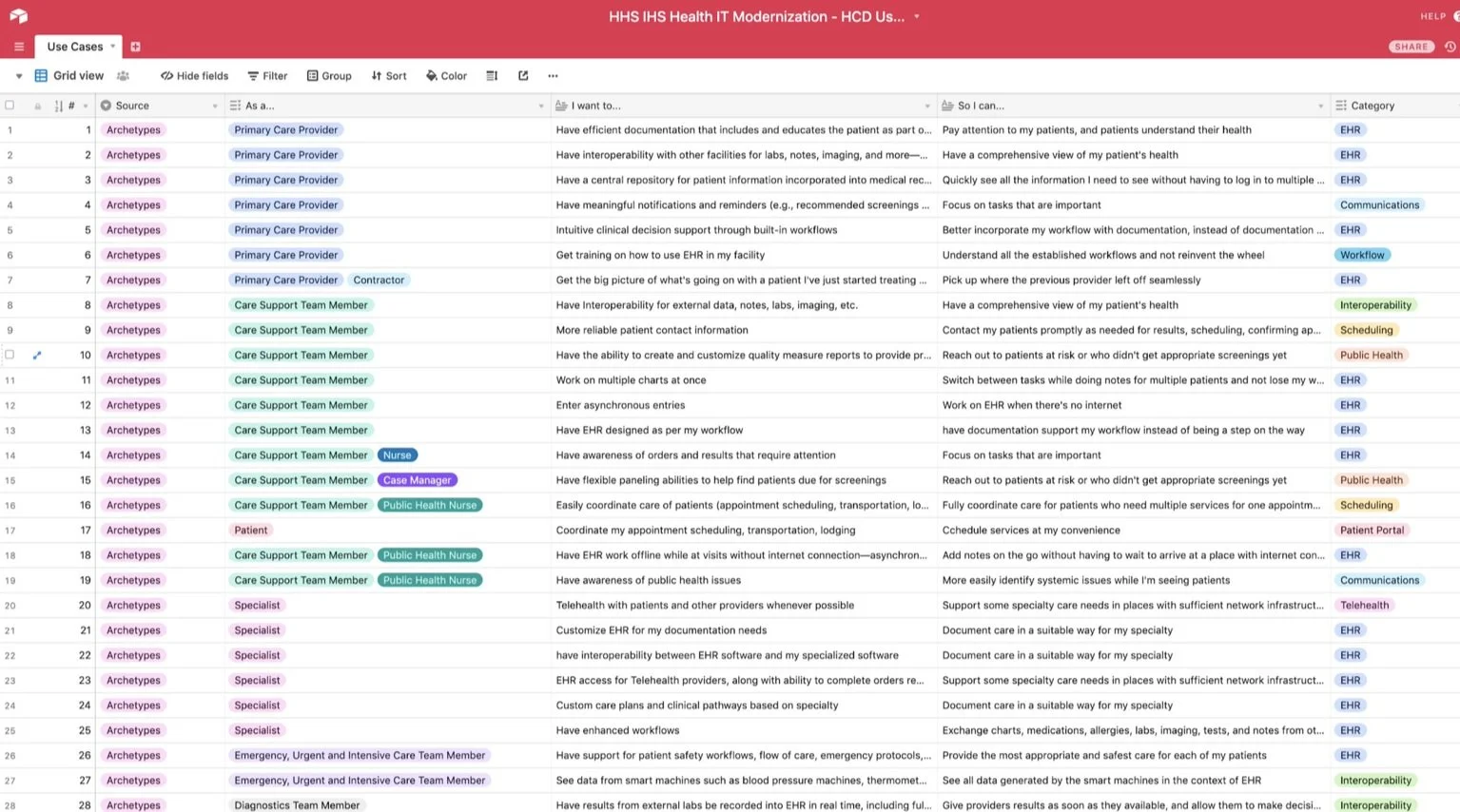
Health IT requirements for the IHS were extracted from the service blueprints and archetypes in the form of use cases.
Download the Report (PDF)
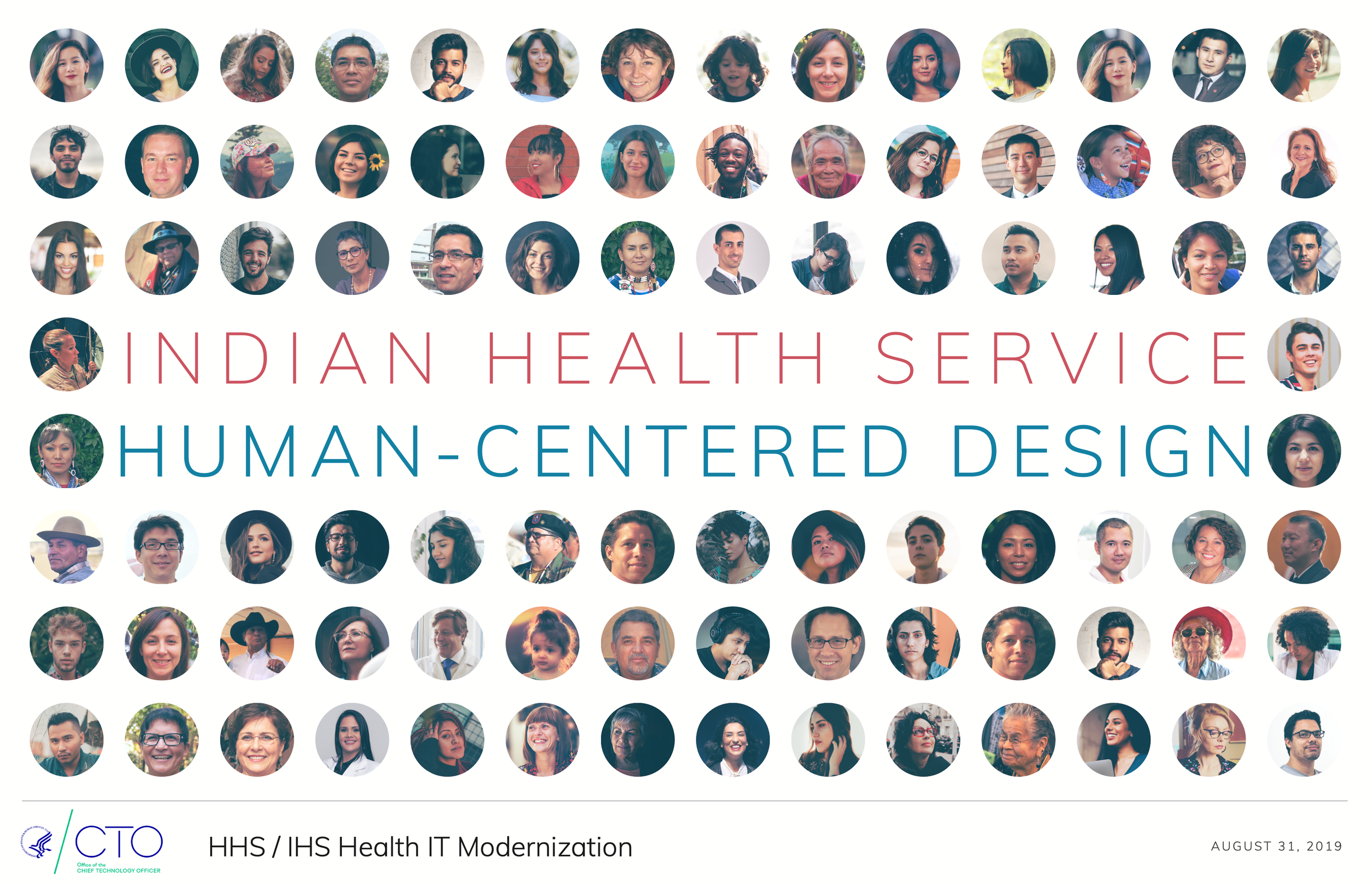
1/ Call for Human-Centered Design
2/ Ecosystem
3/ Journey 1: High-Risk Pregnancy
4/ Journey 2: Guardianship of Grandchildren
5/ Journey 3: Suicide Ideation
6/ Journey 4: ATV Accident
7/ Journey 5: Recovering from Opioid Addiction
8/ Journey 6: Diabetes Comorbidities
9/ Journey 7: Caring for a Loved One
10/ Use Cases
11/ Bibliography
Results
The report was used by the IHS to help define and configure Health IT solutions. It was used as a reference by U.S. congress numerous times to ensure the transition process continues to serve the needs of American Indian and Alaska Native people.
This project was a Fast Company Innovation Awards 2020 finalist.
“The personas and service blueprints Coforma created allow decision makers to create a sense of empathy and urgency for addressing challenges that are faced across the country. Suddenly an IT project shifts focus and the patient becomes the center of the work.”
— Maia Laing, HHS Optimization Team, US Department of Health and Human Services, 2019
“That has made a difference. I feel it. I know your work changed our experience. […] I'm American Indian and receive all my care at the IHS facilities. I'm sure I've seen HCD-driven impacts in our facilities thanks to this work.”
— IHS Program Manager in Medicaid Behavioral Health, 2023 (paraphrased)